Best K-Drama TV Shows on Netflix
Best K-Drama TV Shows on Netflix: 15 Top-Rated Korean Dramas on Netflix
With so much choice on Netflix, it can be hard to find your next binge-athon.
However, based on Rotten Tomatoes reviews, Netflix’s best list of Korean dramas might be the way to go to find your next binge-athon.
Good Halloween Movies on Netflix: 10 Scary New Releases on Netflix in October 2022
Along with its numerous zombie hits, the streaming platform has had great success in bringing a number of Korean content to the attention of its subscribers, with the likes of Squid Game and Hellbound among Netflix’s most critically acclaimed hits. TV shows prove each and every one.
Although, with a list of dramas up to your arm, it can be a little difficult to decide which one is the best, but fear not, as we took a deep dive into the esteemed review site Rotten Tomatoes to see For which one shows the highest rank.
1. Twenty five twenty one

In an era when teenage dreams seem far away, a young fencer follows his heart and meets a man determined to rebuild his life.
Twenty Five Twenty One Season 1 Review – An incredible coming of age drama
A show can live or die by its ending. As we’ve seen with disasters like Game of Thrones, pre-closure quality can fall by the wayside and nothing can happen if you don’t stick the landing.
When Game of Thrones nosedives on the runway, exploding into a million pieces, Twenty-Five Twenty-One sinks, loses a wheel and almost manages to keep it intact, despite bewildered passengers and many worried looks. with.
Airplane analogies aside (disclaimer: sorry to anyone who dreads reading this!) Twenty Five Twenty One might have been the best coming of age drama, but it definitely ended up with that 10/10 score. It causes a decrease in
In addition, the series has a solid story, excellent characterization and one of the best soundtracks seen in any Korean drama in a long time. Finishing aside, this is one of the brightest gems of 2022.
The story takes place both in the present and in 1998. Back in the present, a certain virus is circulating and Na Hee-doo watches as her daughter loses her temper during a ballet competition and completely quits.
When she goes home, Kim Min-chae finds her mother’s journals and through her eyes – and clever bits of narration – we learn about Hae-do’s past. This is where most of the drama takes place, as we experience the innocent, optimistic world of this up-and-coming fencer.
Unfortunately, due to South Korea’s financial crisis, Hee-Do’s high school fencing team is disbanded. Hae-do convinces her mother to switch schools and train with Coach Yang. Now, Yang has a history with Hae-do’s mom, which we learn more about throughout the season. She also coaches current fencing gold medalist and Hae Do’s role model Yoo Rim.
Another in the story is Baek Yi Jin, a tragic young man who finds himself burdened by his father’s business (and debts). When a financial crisis causes him to suddenly fall from wealth to poverty, Yi-jin studies, take on part-time jobs and tries to pay back the disgruntled workers who blame him for his troubles. Stay.
As the show continues, Hae-do and Yi-jin find comfort in each other, with Yi-jin’s life experience and down-to-earth attitude a stark contrast to Hae-do’s optimistic and upbeat personality. There’s something about these two that really resonates throughout the season, and their dialogue and matching relationship work as a complete treat.
With strong themes around youth, forgiveness, innocence and the harsh realities of life, Twenty Five Twenty One carries a lot of emotional weight. What’s particularly interesting though is how it changes at runtime. As Hee-Doo and his friends grow up, the problems they face become more pressing.
2. Sweet home
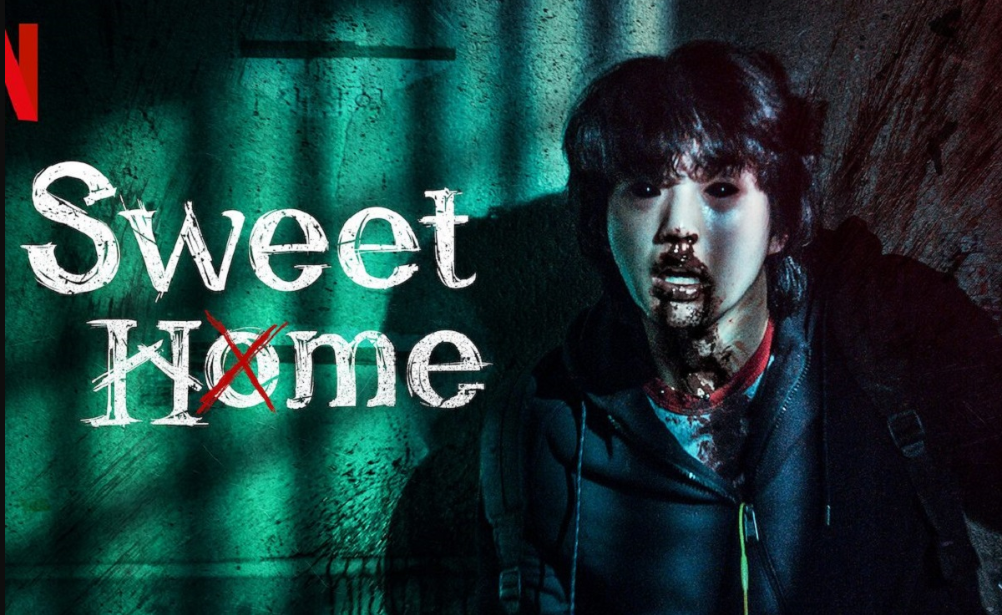
As his town turns into savage monsters causing chaos throughout the city, a young man and his apartment neighbors must fight to survive.
With a growing international audience hungry for more Asian content, Sweet Home is Netflix’s latest foray into the world of horror.
Adapted from the webtoon of the same name, Sweet Home is an action-packed fight for survival as humanity finds itself on the brink of extinction. When people suddenly start turning into monsters
outside, a group of dysfunctional residents inside the apartment complex are forced to work together. Of course, cabin fever, fear and insanity begin to consume our characters. It only gets worse when some people start getting the very infection they are trying to keep at bay.
When the monsters appear, Sweet Home ramps up the pace and tension to deliver back-to-back 4-breath episodes of action. It’s not until halfway through the show where we actually stop and learn more about the characters we’re following. It serves as a proverbial deep breath, building to a seasonal finale that leaves the door open for a second season.
At the center of this conflict are a medley of supporting characters as well as several key players hanging on for a wild, blood-soaked ride. The lonely and suicidal Hyun-So is the main focus here but is joined by the shadowy Sang-Wook, the musician Ji-Soo, the firefighter Ji-Kyung and the religious Korean teacher, Ja-Hun.
There are a lot more characters though and unfortunately this big ensemble cast is a major flaw with the show. Given how many characters wrestle for screen time, Sweet Home has little time to distribute equal amounts of character development and growth, slapping on the brakes in between to make the characters better. is forced to
In a way it allows you to catch your breath after the relentless action, but it also feels like something that should have come a long time ago to understand who all these characters are and what they stand for. Fighting for
In fact, this somewhat rushed pacing is one of the biggest gripes I have with the show. Some Kingdom or Love Alarm could have gotten away with a shorter runtime, especially with a smaller cast of characters to work with. Although the cast here is almost as large as one of the biggest Korean drama projects and these are usually 75-minute pops, the shrinking time frame is definitely felt.
What Sweet Home lacks in deep characters, it more than makes up for in overt violence and gore. It’s also not a show for the squeamish, with blood literally oozing from holes and splattering faces and walls. Some of these moments are accompanied by an extreme close-up shot. If you can put up with some beautiful violence, you should be perfectly fine with it.
Sweet Home may not be the next hit like Kingdom , but it’s a unique slice of the monster horror pie that’s good to stick with. The 10 episodes move along nicely and if you can be prepared for a cliffhanger ending, Sweet Home delivers a promising and satisfying horror romp. It’s certainly not without its problems but it’s another great horror IP that will hopefully sprout some bloody tendrils and stick around for a second season renewal!
At the beginning of the show, we’re dealing with school exams and training worries, and by the end it incorporates the real-life tragedy of 9/11 into the story, as PTSD, mental health and depression take the story in a completely different direction. I take . . The journey is a gradual one, and it’s so subtle that you won’t notice until it hits the screens near the end, throwing you into a mess. The main difference here, though, is that those early moments of levity are all but gone.
While Twenty-Five Twenty-One is a solid coming-of-age story, it’s also a fun and lighthearted affair for most stories. For every tear-jerking moment, there’s another laugh-out-loud part or a silly laugh involving Hee-doo and his friends… the same can’t be said for the ending.
I won’t go into spoiler territory here but while a lot of people have bemoaned this finale as destroying the series, I have to disagree.
Given the sheer quality of what has come before, it was always going to be difficult to wrap everything up in a satisfying way. Thises that the ending of Twenty Five Twenty One is just… an ending. It leaves big questions on the table while wrapping things up a bit ham-fisted and forced. For those who have put a lot of time into it, this is likely to rub you the wrong way.
It’s not a bad ending, but given how incredible the writing before it is, it’s a bit disappointing to see average writing in the finale.
However, the drama that precedes it is so good that it eclipses the ending. It has some great lessons about friendship, sacrifice and the cruel reality of life that hits like an absolute sledgehammer. I dare anyone to get through episode 15 without bawling their eyes out.
In fact, episode 15 is something I’d like to talk about here, as it seems to be the turning point for many. I won’t spoil the plot points here but the entire chapter is excellent and probably one of the best episodes of any K-drama released in a long time.
Within it, the show deals with two specific relationships with very different outcomes. The first comes from Yoo-rim and Hae-do. Enemies turned friends who end their incredible journey with an emotional fencing match.
The midway point of this 1 hour 20 minute episode (and it’s literally in the middle, just like a fencing match is split into two sides) focuses on Yi-Jin and Hee-do. focuses, but the tone is very different. But then, isn’t that how life is?
To quote Rocky, “The world is not all sunshine and rainbows. It’s a very mean and dirty place and it will knock you to your knees and you’ll be there forever if you let it.” Will keep.
I won’t write the full quote but I think it captures the essence of what Twenty Five Twenty One is trying to do. It’s a beautifully written, almost pitch-perfect K-drama that spins through the innocence and youth of being young and how brutal that change is when you become an adult.
3. Silent Sea
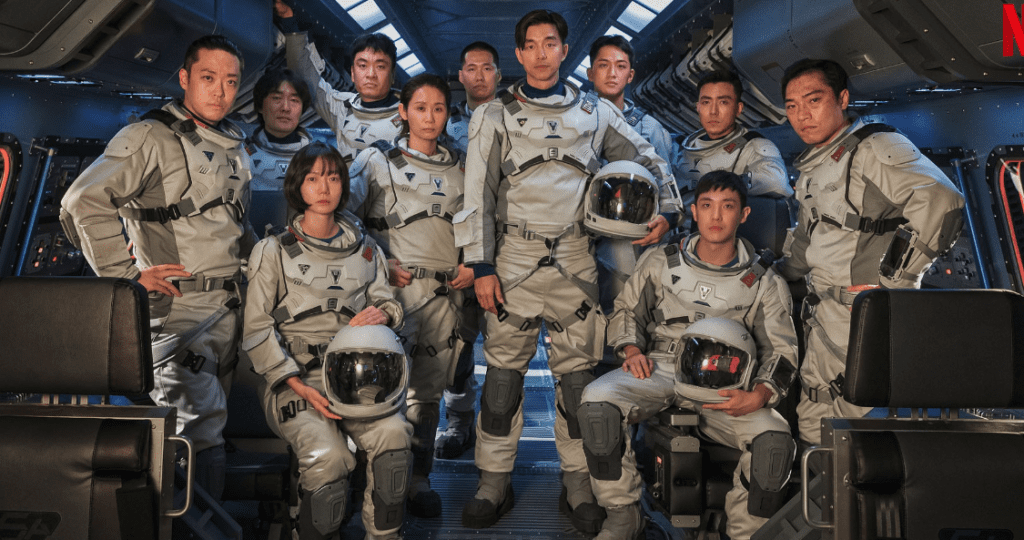
Astronauts fly 24-hour missions to the moon to retrieve samples from a research facility shrouded in dark secrets.
Comparisons between “The Silent Sea” — Netflix’s latest Korean-language drama — and this fall’s streaming phenom “Squid Game” go beyond their common language. On “Silent Sea,” a group of desperate men enter a dangerous situation as a last-ditch attempt at salvation. Their quest begins with a painful recognition of their world’s economic inequality.
4. Extracurricular
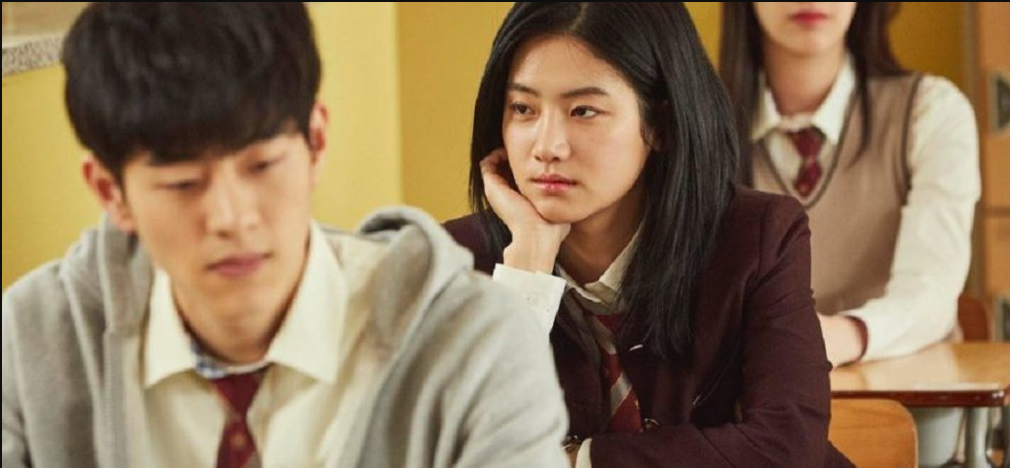
A brilliant high school student turns to a life of crime to make sure he can pay for college and escape his dead end.
Extracurricular is a clever little Korean drama. It’s one that sets itself up to be a simple high school drama but soon unfolds into something deeper and deeper than initially presented. Tackling some incredibly taboo subjects and doing so with a dramatic and tense storyline that only gets crazier the longer the show goes on, Extracurricular is a great drama and despite its cliffhanger ending, Worth a look.
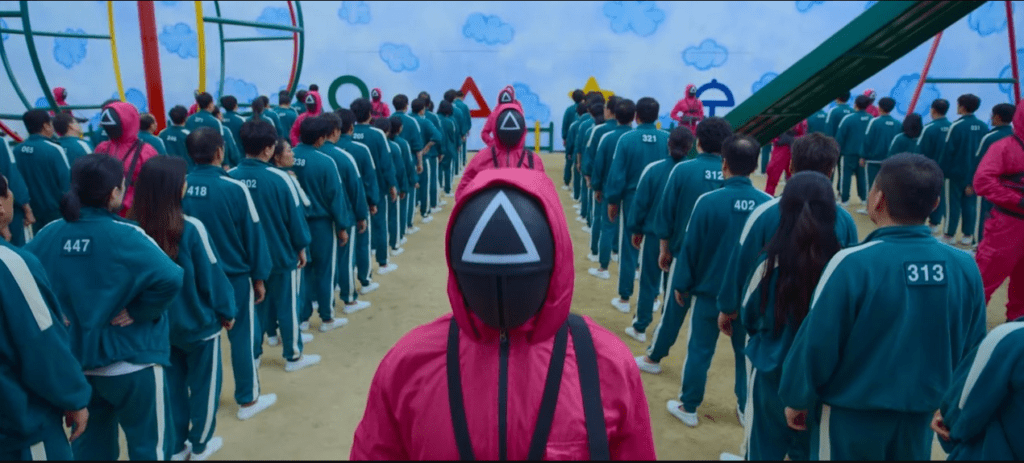
Squad Game review
The story revolves around Ji Soo himself, who is a model student in the eyes of teachers and other students. He keeps his head down, has no friends and spends most of his days studying and hiding. Beneath this facade, however, is a dark side to Ji Soo’s personality that is revealed in the first episode, and his tightly knit operation continues to snowball when things go terribly wrong.
To pay for his tuition, Ji Soo goes by the name “Uncle” and provides security for paid dating girls. Among the girls is fellow high school student Min-hee, and an incident that begins with her becomes the catalyst for the series to go further.
As Ji-soo finds himself torn between wooing his love interest and his own illegal activities, Ji-soo’s ticking episodes begin to lose control and find himself at the mercy of a rival gang. There’s more to the story, though, as Detective Lee begins to investigate Min-hee and a lot of character drama bubbles up in the episode, a dramatic and tense episode to end the first season. Take the form of I won’t spoil the major plot points here but suffice it to say that the show does a great job of building the story up to these dramatic spikes.
Overall, Extracurricular is unlike other Korean dramas. There is a lot of swearing, lots of violence and gore and some very taboo topics including sex trafficking, abuse and slavery. All of this is wonderfully balanced by a light bite of humor that helps prevent it from falling too far into the realm of melodrama.
While some may lament that the two main characters – Ji Soo and Giori – are hard to warm up to initially, as the two episodes grow and develop over time to make for a very easy pairing. can be left behind. They aren’t perfect and have plenty of flaws and the flirty glimpses of romance we see laced into the episodes remain just that – glimpses. It’s a very dark drama and each of the different characters we see have well written arcs over the course of the show.
Min-hee really grows into one of the main characters towards the latter half of the series while “puppet boss” Mr. Lee has a surprisingly compelling arc that builds up to a dramatic final episode where his characters gets some really good closure. This attention to detail and the ability to combine all these different characters into a simple but effective story is partly why this Korean drama works the way it does.
The cliffhanger ending will no doubt be a big talking point, but there’s enough to suggest it will be renewed for a second season. The main conflict isn’t really resolved and almost every character ends up with their well-being in question. While this in itself is a bit disappointing, the journey up to this point is fun and dramatic enough to recommend it.
Overall though, Extracurricular is a surprisingly decent Korean drama and one that takes all the usual tropes and clichés you expect in a K-drama and throws them out the window. , and replaces them with something more common in Western series. This blend of Western and Eastern influences makes Extracurricular one of those rare gems and while it won’t be for everyone, the show has a lot of positives that make it a great watch.
Comparisons between the two K-dramas fall somewhat short of the initial gloss on themes, however, due to the shows’ differences in genre. While “Squid Game” was a violent thriller, “The Silent Sea” is a sci-fi epic, depicting an attempt to collect water on the moon to quench the thirst of a desert-lighting Earth. But as the runaway success of “Squid Game” indicated, more powerfully than ever, audiences around the world are aggressively seeking entertainment with underlining themes that transcend language.
In “The Silent Sea,” directed by Choi Hang Yong and based on his short film of the same name, Netflix has a show that’s likely to delight and disappoint in equal measure. In short order, the first episode establishes the state of things economically: the earth is dying. (We later learn that water is distributed according to the social status of the recipients.) And South Korea’s “National Committee for Human Survival Initiatives” is launching a new mission to the lunar station where a mysterious mass But the incident of loss of life derailed the exploration of water potential. . on the moon. This bluntness has its raw pleasures, even as the data-dump nature of the storytelling foreshadows more artistic possibilities.
Happily, the actors often transcend the rough parts of the material. Bae Doona, an actor whose versatility viewers may remember from 2012’s “Cloud Atlas,” plays a biologist who feels compelled to join the mission for both global and personal reasons. does. After arriving at the lunar base, she is the first woman to rip off her helmet, proving that the oxygen level is safe. The actor’s guts sell the moment, and its connection to the show’s more tender content is assured.
The visual sweep of “Silent Sea” is impressive — its lunar canyons are surprisingly well-rendered — but the show’s eight episodes can be stiff and slow, as if the series is surprised by its own beauty. We are rushing to establish this world, only to drown in time. And the show’s tight opening, over eight long episodes, feels somewhat constrained by a personal connection (which I won’t spoil).
The film “Gravity,” which similarly portrays space travel as a metaphor for one’s emotional life journey, is presented as an allegory, with astronaut Ryan Stone’s grief beyond the larger world. There is little specific information about His mission and his passions are one. In “Silent Sea,” though, the fate of a world hanging in the balance serves a different purpose to the emotional story being told. Things are so dire on Earth that in his quest to save her, the pace of Bae’s character can feel surprising — despite what he gives it as an actor. The two story threads can distract from each other.
At the same time, the highs of “Silent Sea” are really high, and the show clears the low bar of doing a good deal on its mind. A five- or six-episode version would have eliminated some of the long stretches during which the focus is meant to wander. Overall, though, audiences with a hearty appreciation for genre fare will likely be happy with the ride.
My name Season 1 Review
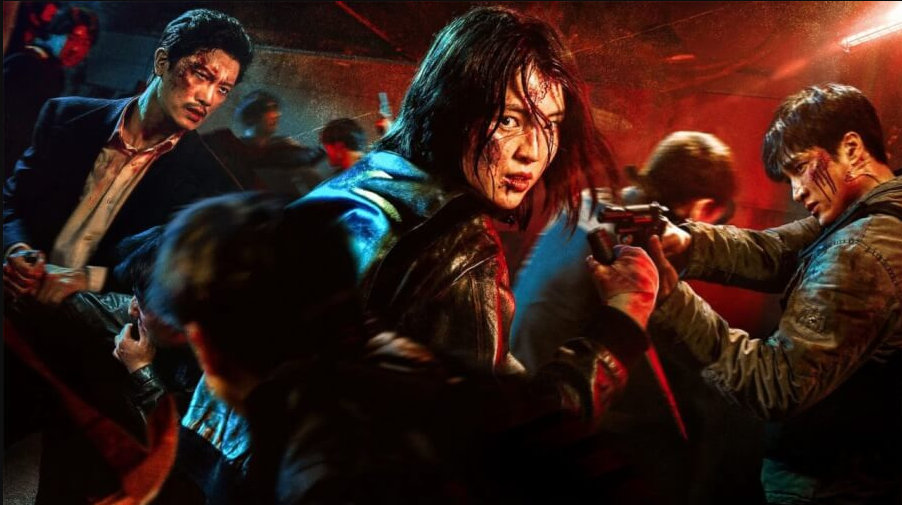
Revenge thrillers are all the rage right now, and after the success of The Squid Game, a charming Korean thriller called My Name looks like the perfect heady cocktail combining these two elements. And for 6 episodes, it works perfectly. However, an ending can make or break a story and in the case of My Name, unfortunately there is a lot of truth here as well.
The story revolves around a young woman named Joo who witnesses her father Donghoon brutally murdered, shot at point blank range outside their apartment. With rumors that the police are involved and a claim backed up by Captain Cha late at night, Gio is desperate for answers.
The answers seem to come from Majin, Dongwon’s friend and work colleague. Mojin is the head of a criminal empire, Dongwon is actually on the most wanted list in all of Korea. So Majin takes Jiu under his wing and begins to train him to be tough enough to strike back against those responsible for killing his father.
It is actually a simple story but it has many twists and turns. Despite being quite predictable, with a last gasp that will have you guessing by the end of episode 3, this 8 chapter thriller does a good job of keeping things watchable until the end.
No spoilers of course but the last two episodes push the confidence level to the max and there are some intrigue and issues that will make you raise an eyebrow. Not only that, the abrupt ending leaves more questions than answers. If you can go in expecting that, there’s still a lot to like.
Especially though the main draw to my name comes from the action. And boy are they good. Unlike the epileptic flare-ups and sharp cuts of fellow K-drama Vagabond, My Name comes much closer to Luka: The Beginning, with long, drawn-out sequences and impressive choreography. Thankfully, it doesn’t detract from the story from this sci-fi train wreck. Han Soo-hee also excels in the role and steps into the well-worn shoes of a controversial action heroine to perfection.
Aesthetically, much of the show is shot with slick editing, stylish cinematography and a great soundtrack, including the title song “My Name” which plays continuously throughout the show.
When it comes to acting, Han Soo Hee is by far the standout, typified by a truly impressive display of talent at the end of episode 6. Here’s a sequence that sees Jio being torn apart by the shocking truth and his painful reaction. Tears of rage on the side of the road, captured so authentically on screen that you will feel every moment of it.
If you can look past some of the problems with the story and the acting and the action, My Name has a lot of positives. It’s probably not as good as some of Netflix’s other recent original dramas, but it hovers nicely in the “very good but with a few flaws” category, making for a charming and enjoyable revenge thriller.
Mr.Sunshine Review
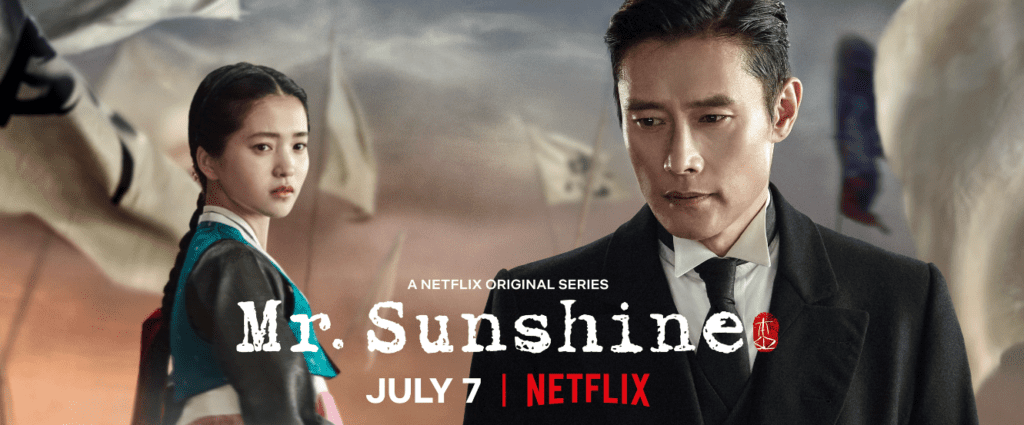
Despite its generic title, Mr. Sunshine is a beautifully written 24-episode series with a realistic twist on historical drama romance. Deep characterization, captivating cinematography and a brilliant eye for visual design, Mr. Sunshine has an amazing technical prowess to match its equally impressive story.
As the episodes progress, so does the evolving romance that takes center stage, working in harmony with the tense conflict between the American embassy and the Japanese in the heart of Korea where the story unfolds.
The story begins in 1871 with the introduction of Eugene Choi (Byung Hun Lee), one of the series’ three main characters. Originally from Joseon before escaping to America after a family tragedy, Eugene finds himself returning to his hometown years later as the captain of an American military expedition to liberate the city. While stationed in Joseon, he happens upon Go Ae Shin (Tae-ri Kim), an aristocrat’s daughter, and what follows is a slowly evolving romance that blossoms between the two.
As the episodes progress, more characters share the limelight, including Goo Dong-mi (Yoo Eun-seok) who quickly becomes a prominent figure in the show and would do well to develop her character throughout the series. Is. Although Mr. Sunshine is first and foremost a character-driven story, the world-building is excellent and throughout the episodes you really get a sense of the cultural differences and clashes between Koreans, Japanese, and Americans that are crucial to the development of Mr. Sunshine. Play the role. Story.
With 24 episodes to go and each one over an hour long, there’s no denying that Mr. Sunshine makes for quite a comprehensive watch but based on the 13 episodes we watched to compile this review, Suffice it to declare with confidence here that the show is a fascinating watch. throughout. The show balances its drama and romance well, infusing each episode with a light dose of humor while focusing on the growing tension in the town and character work that is impeccably executed.
It’s also worth noting that the acting is solid all around, although some of the American soldiers feel a little overwrought and a bit uncomfortable in their roles with the excellent trio of Korean protagonists. Eugene, Ae-Sin and Goo Dong-Mae really bring the series to life and the subtle lingering glances between each of them speak volumes, conveying emotion and mood as a perfect example of when less is more. Is. This technique is used over and over again through the episodes and for the most part, it works perfectly.
Aesthetically, Mr. Sunshine is a beautiful piece of Asian television. The use of color is nothing short of brilliant, the general composition of the scenes showing the picturesque scenery and the beautiful choice of colors that work in harmony with the generally impressive costume designs to give a look from the early 1900s. Breathe life into this world of Korean entertainment.
Whether you go into Mr. Sunshine or not depends on how much time you’re willing to put into this epic Korean drama. Whether you like slow-burn romance or historical epics, Mr. Sunshine blends the two genres with ease. Although the story unfolds slowly in its 20+ hour runtime and sometimes the story is a bit too long on some subplots, it’s safe to say that Mr. Sunshine is one of the best Korean releases this year. Roshan is one of the series and is priced well.
One of the best things about Korean dramas is how well they are able to tell a story and how they manage to do so without too much sex, violence or swearing. After watching Hotel Del Luna and When Camellia Blooms, I thought it would be hard to top these two series… until I saw Crash Landing on You (or CLOY as its countless fans call it.).
The series has managed to perfect its story, character development and soundtrack while offering some stunning visuals. With so many touching and powerful scenes along with comedic and romantic moments, CLOY has been quite an emotional roller coaster, which I dare you to watch without shedding a tear or two.
The story revolves around heiress and successful CEO Yoon Si-ri who lands in North Korea after being blown away by a storm while paragliding. There, she meets and falls in love with Captain Rye Jeong-Hyuk while in hiding and getting used to their customs. What follows is a race against time as she tries to get back to her country with the help of her new friends as she faces numerous obstacles and challenges. Along the way, she makes some unforgettable friendships that will change her life in ways she never imagined.
Hearing the premise behind the play you’d be forgiven for thinking it sounds a bit crazy and I wondered how it would turn out. However, from its first episode to its emotional climax, CLOY manages to present its story smartly and believably while respecting the customs of both countries. It has a perfect blend of drama, romance, suspense and humor in its 16 episodes. Each chapter clocks in at 90 minutes but that shouldn’t put anyone off watching it, as the show never feels too long or occupies its runtime with filler over the course of a season.
It was also eye-opening to see Se-ri face the harsh life in North Korea, offering some powerful and tense scenes as she tries to hide and return to her home country. In contrast, during the second half of the season we see the contrast between the two countries as the drama focuses on the South. Without spoiling too much, there are also some pretty funny yet touching moments with our favorite four soldiers (the ducklings). It has been really interesting to see the polarization between North and South but also sad to see how some people want the two countries to be reunited.
The four soldiers have certainly charmed the audience with their innocence, humor and friendship with each other but also with Se-ri. Each has a distinct personality trait, from the South Korean drama-loving Joo-myuk to the sweet and caring Eun-Dong, to Chi-Su who tries her best to stay indifferent to Se-Ri. does (but fails); They are an important part of the show and add some much needed depth to it. Some of his scenes made me laugh out loud while others moved me to tears – this is likely to be true for many other viewers as well.
Se-Ri and Jeong-Hyeok have become the couple to root for throughout the season and their chemistry was everywhere, with many taking to social media to wish the two actors were together off-screen. Hyun-Bin and Son Ye-Jin both gave some great performances and I look forward to seeing what they project next. The entire cast really deserves praise, though, as the drama continues to flesh out its characters, with some strong character arcs that compliment the show’s style well.
Crash Landing’s soundtrack is also excellent, with touching numbers like Yoon Mi-Rae’s “Flower”, Davichi’s “Sunset” or Yerin Baek’s “Here I Am Again” fitting perfectly with the mood of the episodes. And help make the show more. . Charming and touching. Ironically, while writing this review I couldn’t help but listen to the soundtrack again! The cinematography features some stunning depictions of North and South Korea, but the real winner is Switzerland. The beautiful scenery made me want to visit the country, perhaps as a way to fill the void after the series ended.
Crash Landing On You is one of the best Korean dramas on Netflix, but also one of the best shows of 2020. Presenting a simple and touching story of love and friendship, the drama hits all the right notes when it comes to balancing suspense and balance. The romances of all the characters, which the cast manages to portray beautifully, are likable and will surely be remembered by everyone who has seen this wonderful drama. The crash landing will definitely leave a hole in my heart and I, like many others, will now feel a bit lost on Saturdays and Sundays. For any fan of the genre, or even those new to this genre of drama, Crash Landing On You will almost certainly touch your heart.
Crash Landing

The series has managed to perfect its story, character development and soundtrack while offering some stunning visuals. With so many touching and powerful scenes along with comedic and romantic moments, CLOY has been quite an emotional roller coaster, which I dare you to watch without shedding a tear or two.
The story revolves around heiress and successful CEO Yoon Si-ri who lands in North Korea after being blown away by a storm while paragliding. There, she meets and falls in love with Captain Rye Jeong-Hyuk while in hiding and getting used to their customs. What follows is a race against time as she tries to get back to her country with the help of her new friends as she faces numerous obstacles and challenges. Along the way, she makes some unforgettable friendships that will change her life in ways she never imagined.
Hearing the premise behind the play you’d be forgiven for thinking it sounds a bit crazy and I wondered how it would turn out. However, from its first episode to its emotional climax, CLOY manages to present its story smartly and believably while respecting the customs of both countries. It has a perfect blend of drama, romance, suspense and humor in its 16 episodes. Each chapter clocks in at 90 minutes but that shouldn’t put anyone off watching it, as the show never feels too long or occupies its runtime with filler over the course of a season.
It was also eye-opening to see Se-ri face the harsh life in North Korea, offering some powerful and tense scenes as she tries to hide and return to her home country. In contrast, during the second half of the season we see the contrast between the two countries as the drama focuses on the South. Without spoiling too much, there are also some pretty funny yet touching moments with our favorite four soldiers (the ducklings). It has been really interesting to see the polarization between North and South but also sad to see how some people want the two countries to be reunited.
The four soldiers have certainly charmed the audience with their innocence, humor and friendship with each other but also with Se-ri. Each has a distinct personality trait, from the South Korean drama-loving Joo-myuk to the sweet and caring Eun-Dong, to Chi-Su who tries her best to stay indifferent to Se-Ri. does (but fails); They are an important part of the show and add some much needed depth to it. Some of his scenes made me laugh out loud while others moved me to tears – this is likely to be true for many other viewers as well.
Se-Ri and Jeong-Hyeok have become the couple to root for throughout the season and their chemistry was everywhere, with many taking to social media to wish the two actors were together off-screen. Hyun-Bin and Son Ye-Jin both gave some great performances and I look forward to seeing what they project next. The entire cast really deserves praise, though, as the drama continues to flesh out its characters, with some strong character arcs that compliment the show’s style well.
Crash Landing’s soundtrack is also excellent, with touching numbers like Yoon Mi-Rae’s “Flower”, Davichi’s “Sunset” or Yerin Baek’s “Here I Am Again” fitting perfectly with the mood of the episodes. And help make the show more. . Charming and touching. Ironically, while writing this review I couldn’t help but listen to the soundtrack again! The cinematography features some stunning depictions of North and South Korea, but the real winner is Switzerland. The beautiful scenery made me want to visit the country, perhaps as a way to fill the void after the series ended.
Crash Landing On You is one of the best Korean dramas on Netflix, but also one of the best shows of 2020. Presenting a simple and touching story of love and friendship, the drama hits all the right notes when it comes to balancing suspense and balance. The romances of all the characters, which the cast manages to portray beautifully, are likable and will surely be remembered by everyone who has seen this wonderful drama. The crash landing will definitely leave a hole in my heart and I, like many others, will now feel a bit lost on Saturdays and Sundays. For any fan of the genre, or even those new to this genre of drama, Crash Landing On You will almost certainly touch your heart.
Our Blue Season 1 Review

Hometown Cha Cha Cha was one of the best dramas of last year. Depicting the trials and tribulations of a small village and its inhabitants, the show captured the hearts of audiences across the world, offering a simple, concise and well-written series with beautiful characters. .
The saying is imitation is the sincerest form of flattery, and while Our Blues isn’t a direct copy of this drama, you can definitely feel the same influences in this K-drama’s DNA. In fact, both shows even feature the same female lead in Shin Min-Ae! However, where the shows differ is in its presentation.
Our Blues is a 20-episode drama that basically serves as an anthological slice of life series. The various episodes are divided into different two or three parts, following the residents of Jeju Island as they go about their days.
What’s particularly interesting here is how different these stories are. Not everything works — including a beautiful three-parter to kick things off — but the sheer amount of diverse storytelling at play is what makes Our Blues work so well. Tackling topics such as Down syndrome and teenage pregnancy to domestic violence and estranged mother/son relationships, Our Blues tackles all these difficult topics with both sensitivity and confidence.
Unlike series like Yesterday, which wrapped up such ideas with as much subtlety as a hammer to crack a cake, Our Blues actually takes the time to dive into the heart of each relationship.
There are quite a few people living on this island, and 20 episodes definitely helps the show give everyone plenty of time to introduce themselves and tell their stories.
Among those living on the island is Dong Seok, who was born in a small village and now sells goods on the island from his truck. He joins Seon-A, who has just moved to Jeju Island and has a lot of belongings from her life in Seoul. Dong Seok also has a strained relationship with his mother, Ok Dong, one of the older women on the island.
There is also the resident loudmouth and fishmonger Eun-Hui, who is incredibly nosy and gets into everything. She’s basically the mother of the island, and although she has some standout moments, they mostly come from her friendship with Mi-Ran, which discovers layers of complex drama over the course of the runtime.
Eun-Hui’s best friend, Yeong-Ok, is another resident of Jeju Island with a dark past. She is bright and a capable diver, though she alienates most of the people around her. They also repel the advances of Captain Jeong Joon (or Captain Fantastic as we’ve come to know him here!) due to the secret of his past.
These form the main storylines that take place throughout the season, although there are many other characters as well. One particular narrative that really stands out involves school students Jung-hyun and Yong-joo.
When Yeong-Ju becomes pregnant, she is conflicted about what to do. It’s something that’s made worse by the intense rivalry between Father Ho-sik and In-gwon, who fall far behind. The entire narrative is beautifully portrayed, and the actors easily step into this complex role and give it their all.
Speaking of complex, the last 3 episodes (including the 90-minute episode to close the show) finally deal with Ok-dong and Dong-seok’s estranged relationship, which has been ongoing since the opening chapter. Has been – and it does not disappoint. It’s a beautiful way of rounding things out, with lots of symbols.
The soundtrack is also great, with the show-stopping “With You” effortlessly reflecting the emotion and violence the series manages to juggle so well.
Aesthetically, our blues are just as impressive, and part of that comes down to the beauty of Jeju Island. From the breathtaking sunsets to the establishing shots, this K-drama makes the most of its spectacular, heavenly setting, and the series is all the stronger for it.
While some of these narratives don’t quite hit the emotional highs of others, the bright spots outweigh the shades of gray. It is a beautifully written drama, with great acting, good storytelling and show-stopping visuals. Just be prepared to go into it with a pack of tissues because our blues 100% live up to the ‘blues’ part of their name!
Kingdom Season 2 review
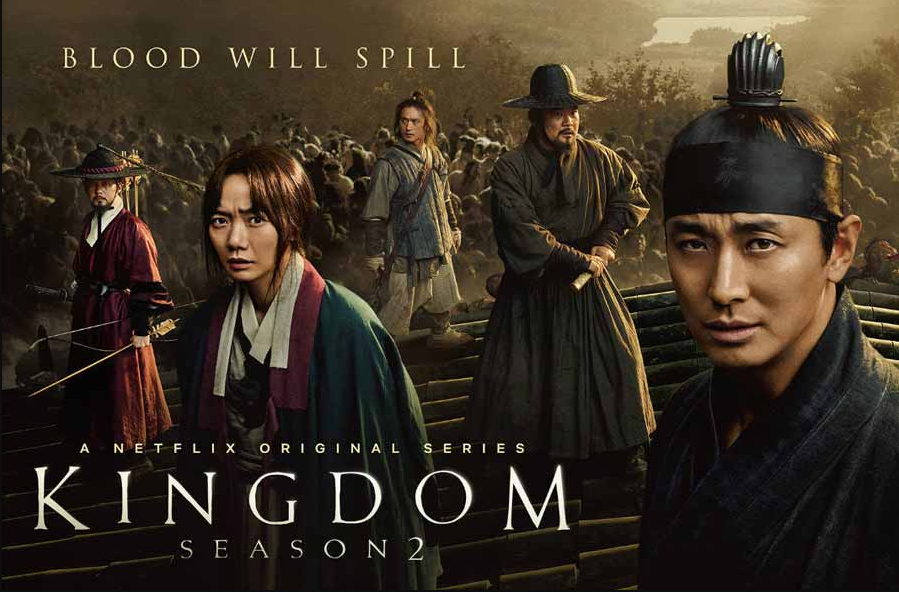
While Prince Chang’s quest to power is a main part of the season, Kingdom Season 2 features two powerful women who exhibit their determination in different ways. In Queen Cho, we see ruthlessness and a woman refusing to allow her gender to define her political aspirations. She crafts her plan to steal a villager’s son to call her own, succeeds, and ultimately pushes back against her father’s pressure and expectations. Additionally, Queen Cho is a character allowed to be cold, powerful, and cruel, surpassing even Cersei Lannister in her spite and violence as a regent seeking power. She is single-minded, relentless in her goals, and while she embodies the best of the “mad queen” trope, she doesn’t suffer from its faults. As Queen Cho descends into her spite-filled madness, she does so with resolve, that positions her as the character that has not only wrestled control back from the men around her but is only abiding by her rules.
On the other side, we have Seo Bi. She’s intelligent, calm, and the reason both the characters and the audience learn the details about the Resurrection Flower and the virus it causes. She’s a scientist and a doctor first, demonstrating a cool head in unthinkable situations. While she isn’t given much time this season, her scenes have weight and in the penultimate episode, her ability to think her way out of terrifying situations makes her one of the best characters on the show. With the way that Kingdom Season 2 ends, there is a wide-open door for more of her story to develop.
Chang’s quest for power is an important part of the season, Kingdom Season 2 features two powerful women who demonstrate their determination in different ways. In Queen Cho, we see ruthlessness and a woman’s refusal to allow her gender to define her political aspirations. She hatches her own plan to steal a villager’s son to call her own, succeeds, and ultimately backs down against her father’s pressure and expectations. Additionally, Queen Cho is a character who is allowed to be cold, powerful, and cruel, even as Cersei Lannister seeks power as a regent in spite and violence. She’s single, relentless in her goals, and while she embodies the best of the “mad queen” trope, she doesn’t suffer from her faults. As Queen Cho descends into her rage-fueled madness, she does so with determination, which makes her a character who has not only taken control of the men around her, but only her own. Following the rules.
On the other hand, we have Seo Bi. He is intelligent, calm, and leads both the characters and the audience to learn details about the resurrection flower and the virus it spawns. She is a scientist and doctor first, keeping a cool head in unimaginable situations. Although she hasn’t been given much time this season, her scenes carry weight and in the final episode, her ability to think her way out of dire situations makes her one of the show’s best characters. With the way Kingdom Season 2 ended, the door is wide open for more of his stories to develop.
Single Inferno Review

In the new reality dating series Singles Inferno, nine singles — 5 men, 4 women — are sent to an island called “Inferno,” where the temperature is 35 degrees Celsius, a step up from camping (on (more on that later). , bathrooms are vacant, and singles have to cook and fetch their own water. They’re there for nine days, all trying to find someone for a long-term date. Contestants cannot tell each other how old they are or what they do for a living.
At the end of each day, each contestant receives “postcards” in the mailbox. If they choose to pair up with one of the senders (if they receive a postcard), the couple is sent to a luxury resort on an island named “Paradise”. There, the daters can talk about their ages and professions, and they spend a romantic night in a luxury suite before returning to “Inferno.”
In the first episode, nine singles, all of whom are young and seem to have exercise as one of their biggest hobbies, enter and sit down on a couch in the middle. Everyone is checking each other out, and the show’s four observers (Lee Da-hee, Kyu Hyun-cho, Jin Kyung-hong, Jung Han-hee) sit in a bar-like studio and try to figure out who Who likes
They break into three and explore the island to see where everything is together. Then later, they go to the “cafeteria” to make dinner. There, some people sit back and others participate and work hard. Postcards are dropped from there. Who will survive the fire after the first night?
Your Take: Actually, the only rough thing about “Inferno” Island is that it’s hot and there’s no air conditioning. It’s not like they have to build shelters for themselves—the men’s and women’s tents look more like “glamping” than anything else. The cafeteria looks like a farm-to-table restaurant and has all the equipment needed to make a decent meal from the food provided.
So these young millennials or older Zoomers, mostly accustomed to a life full of food and/or delivery, just think the island is a rough place, especially if they’re given the carrot of spending the night at a luxury resort. . . . This aspect is what makes Single’s Inferno a little different from other dating shows. Will people connect to Inferno Island just to take a break, or will there be real feelings?
But the complicated set-up doesn’t distract from the fact that this is generally a show where viewers can see handsome men with eight packs and beautiful women sunning themselves in bikinis. It might be a little more refined than similar reality shows here and in places like Europe and South America, but what’s entertaining is the same: hot guys hooking up, even if the “hookup” here is just a little flirty. Is.
Let’s hope the producers pick up the pace in future episodes. The introductions of all nine contestants dragged on for what seemed like forever, and the group-of-three interactions were cut short. The producers also went to the audience a lot, which was a sign that there wasn’t too much drama on the first day. But it will be interesting to see if things speed up as the relationship develops.
All of us are dead season
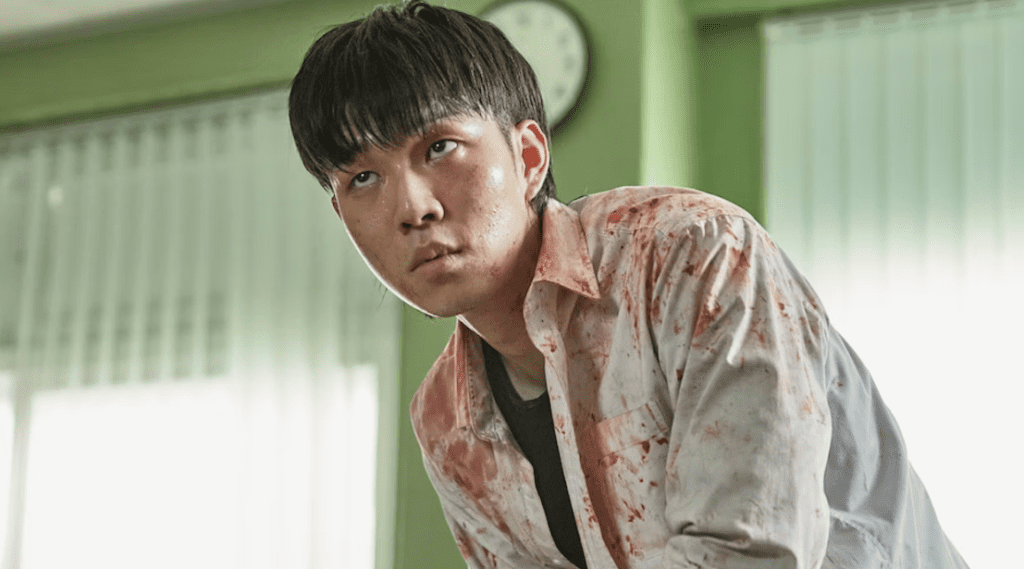
Taking a high school setting and throwing a zombie apocalypse into the mix might not sound like anything original, but with 12 episodes to play with, it certainly had the potential to do so. Unfortunately, the result is a mixed bag of the good, the bad, and the ugly.
Written by the same screenwriter who penned LUCA: The Beginning, the very similar show All Of Us Are Dead starts off bright and soon drifts into dismal, dismal waters. At worst, the show is downright boring and drags its heels through forced character writing that feels completely at odds with the rest of the show.
The story itself is easy enough to understand; A zombie outbreak has decimated the town of Heusan, with officials scrambling to make sense of the situation. Ground Zero takes place at Hewson High School, where a whole group of kids try to survive.
Among the children we have a love triangle between Cheung-san, On-joo and Su-Hyeok. For On-joo, his father is a fireman and follows someone we follow throughout the season.
However, these three kids are joined by a whole bunch of supporting characters, including Ji-min, Dae-soo, Na-yeon and the teacher, Sun-hwa. The problem is that all of these characters are pretty cute and none of them are particularly gripping or likable enough to really get behind the bulk of the story.
Some of these character choices are… questionable but then to be fair we have to remember that these young people are in a state of panic and shock (explaining how late in the season when the rain starts How they all start crying.)
The second problem stems from the central themes that the show runs with, and the profound impact it has on world building.
I won’t spoil anything here but suffice it to say that the bad guys don’t get their due and with the themes of bullying and injustice running throughout the show, it feels like a social commentary on how unfair the school system is. is when it comes to dealing with abuse.
While this on its own is handled beautifully throughout the episodes, it doesn’t exactly make for compelling TV or satisfying character arcs when the ones you want to see killed aren’t the ones.
The second problem here arises from the plot armor. Now, obviously there’s always a level of this with the main characters but Cheung-san and Ahn-joo’s dad are so obviously reserved it’s almost insulting. The latter manages to dodge a barrage of bullets from highly trained operatives from a few meters away.
It’s a shame too because the action here is so well shot. The first two episodes and the next few chapters are nail-bitingly tense and have some good ideas for the overall story that help make it a unique proposition.
Unfortunately with 12 episodes to play, the momentum soon stalls, especially with episode 8 deciding now is a good time for 50 minutes of character development… eight hours into the show.
As an action-packed show to binge-watch, All of You’re Dead is a decent watch but I slept on it before writing a full season review, it has too many issues that could hold it back. . A zombie drama everyone should check out.
It certainly doesn’t touch Kingdom or Happiness, which are far better propositions. Much of this season seems to fall into middling mediocrity.
It’s not a bad show though, and the first half of this season is really great. It’s gritty, action-packed and full of zombie action. Unfortunately, just like LUCA: The Beginning before it, the script goes from stiff and gripping to high-brow and ramps up the ridiculousness as the season progresses.
With plenty of action, gore and survival drama, you’re looking for a great zombie drama to please, there’s plenty here to enjoy – especially if you can see through some of the bigger conspiracies. However, if you’re after something bigger than “just another zombie flick,” you’re likely to be disappointed.